SCROLLDRAG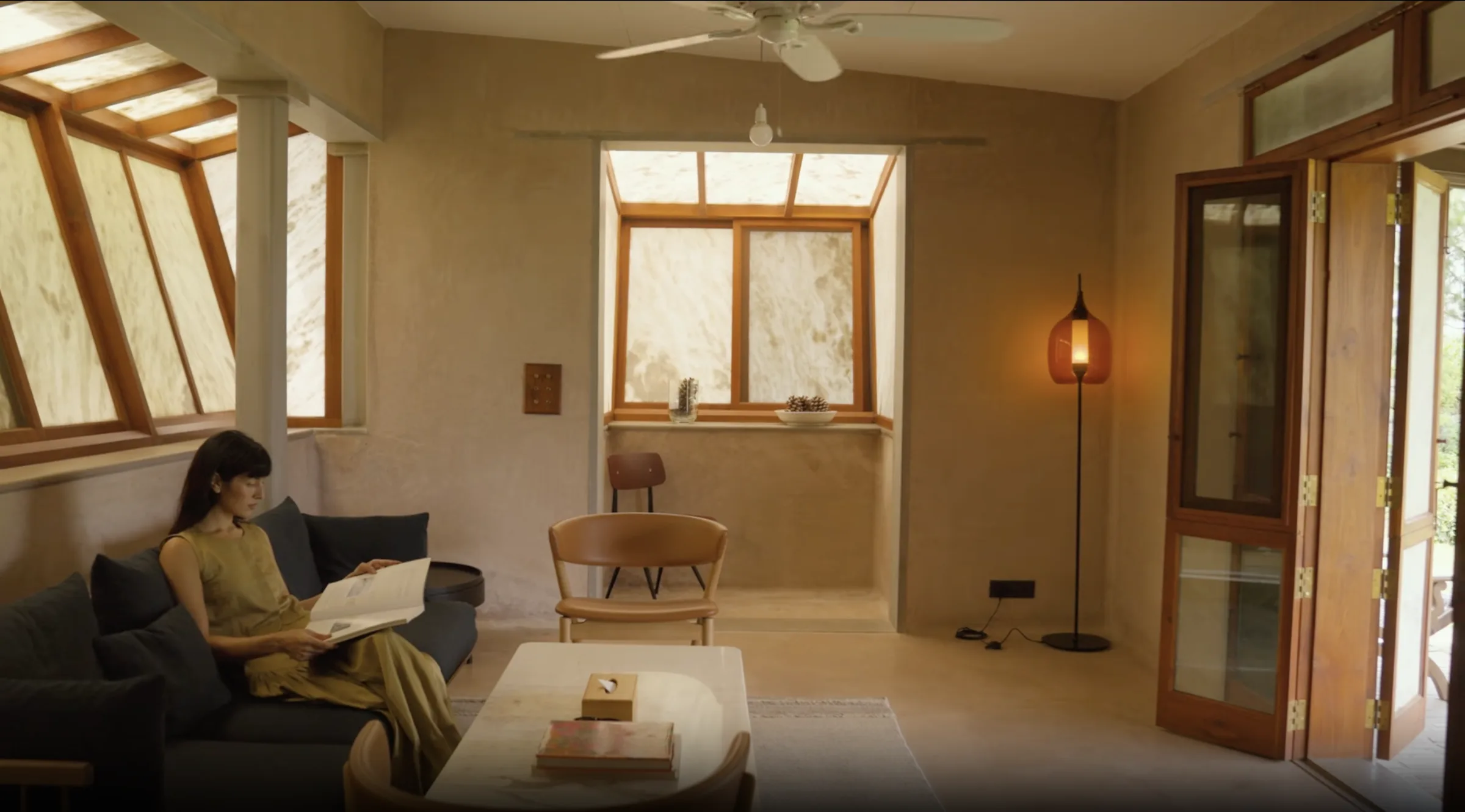
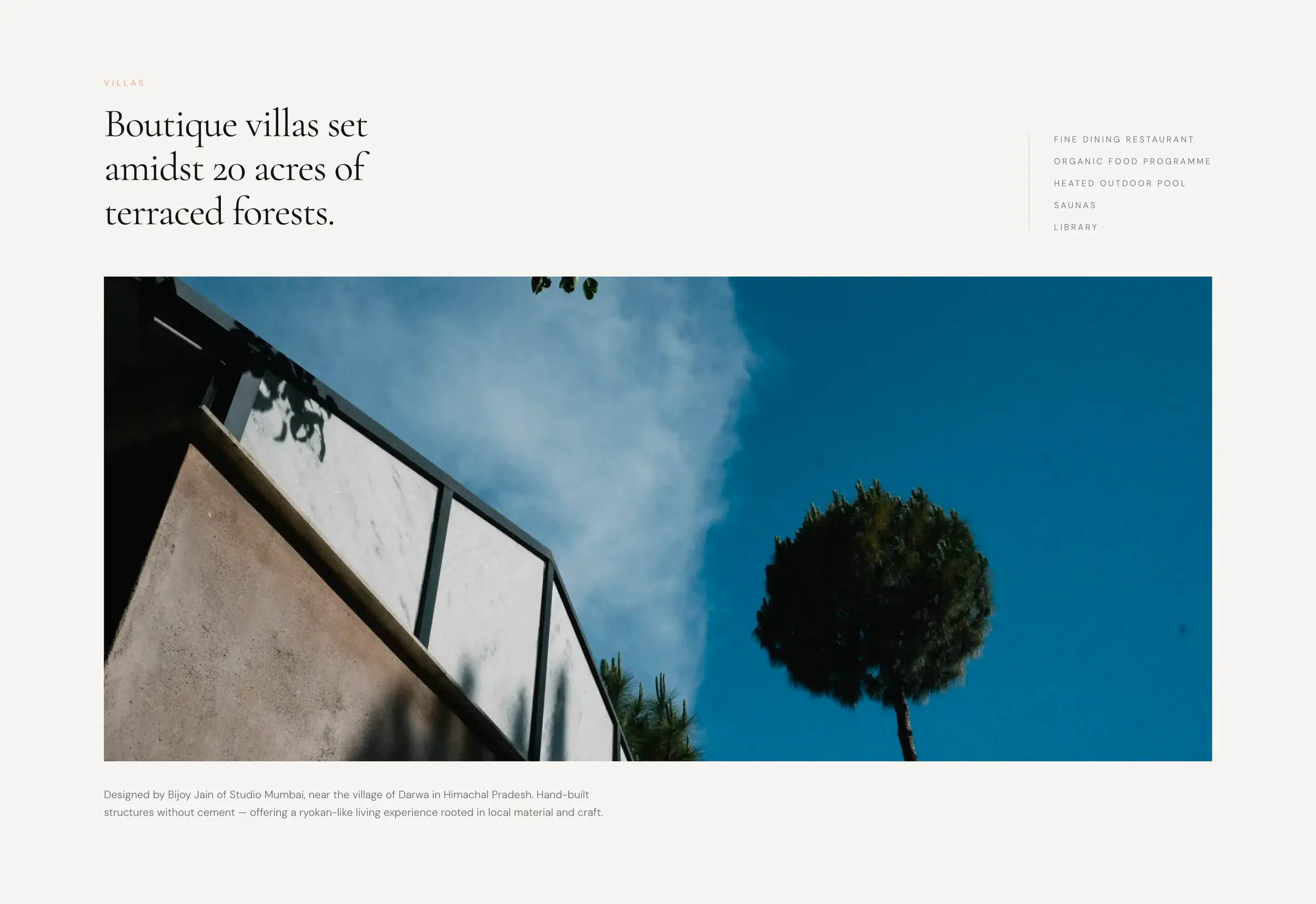
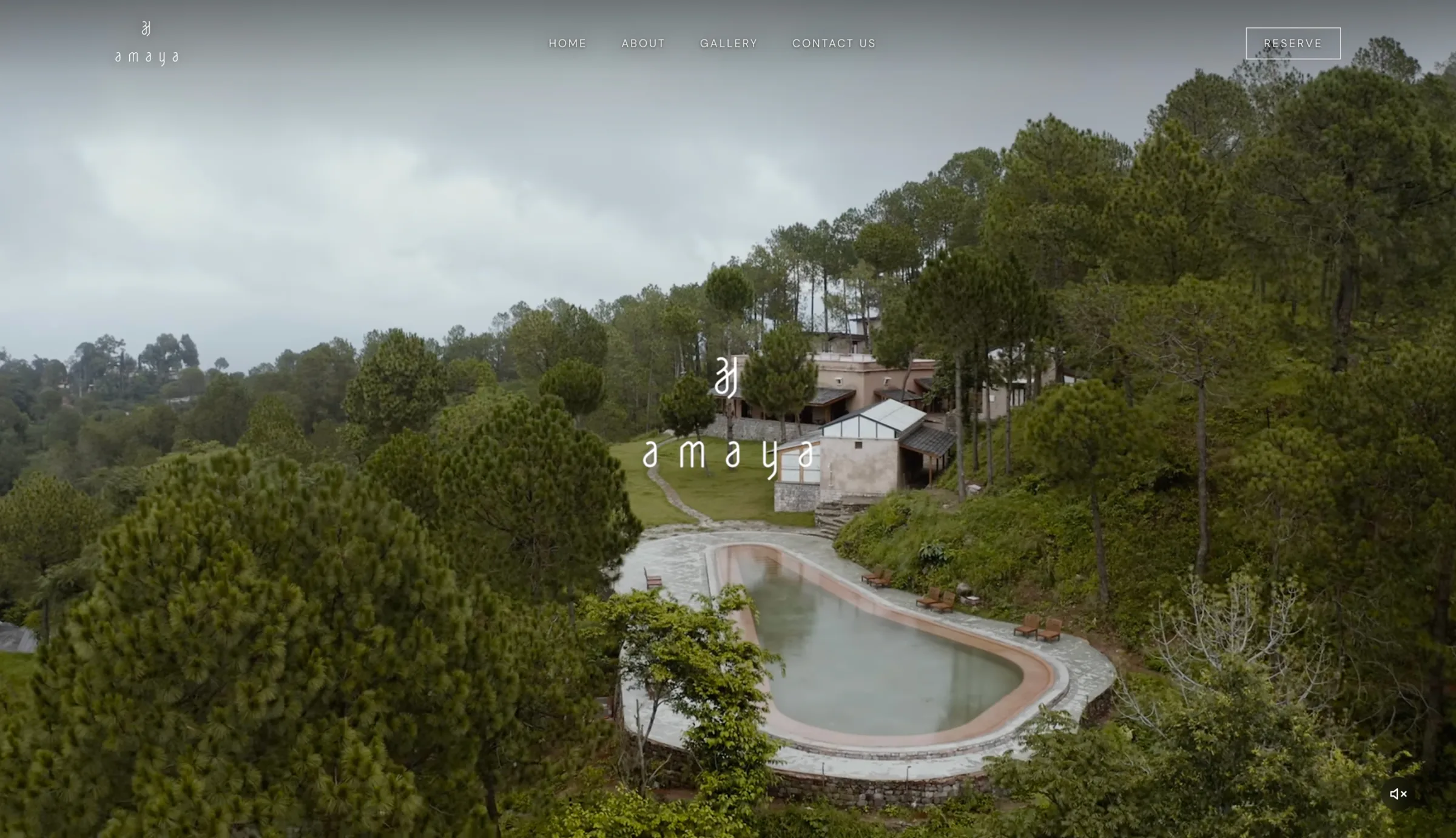
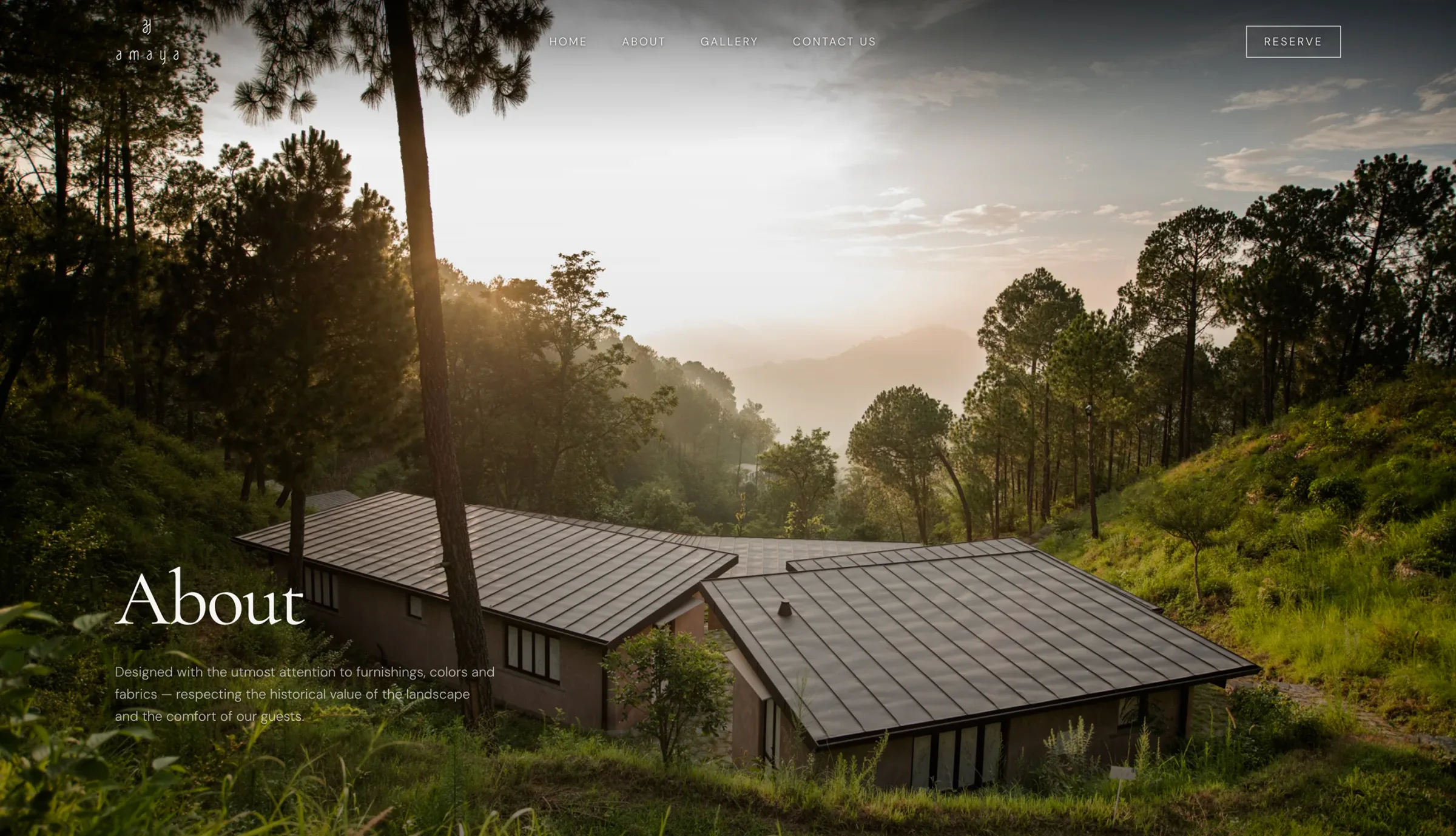
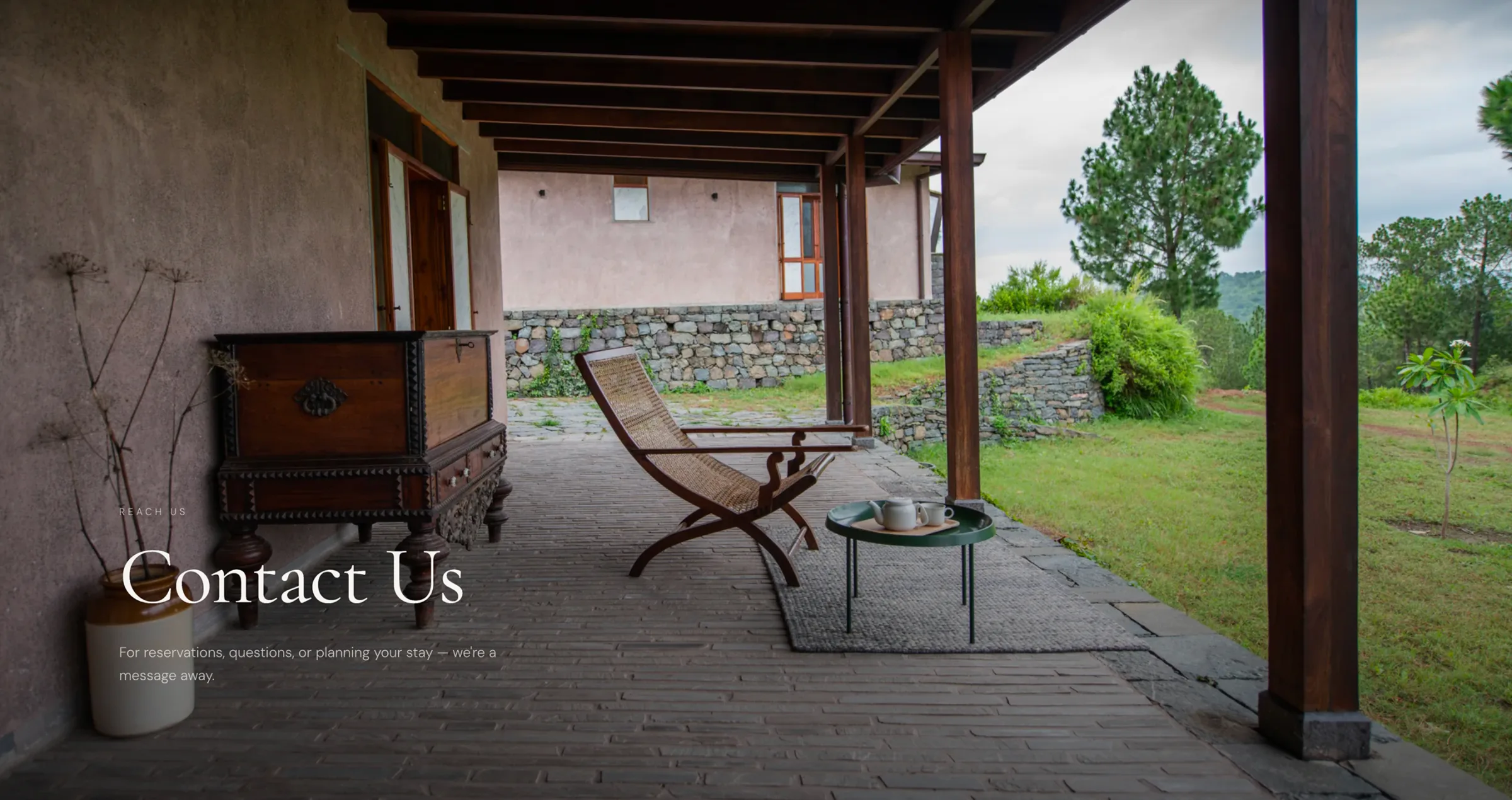
Amaya is a boutique property set across twenty acres of terraced forest, built around the idea that hospitality shouldn’t compete with the land it sits on.
Everything about the property, from the food grown on site to the stone and lime used in construction, comes from treating the land as something to live in relation to, not just occupy. Their existing website didn’t carry that forward. It worked the way most resort sites work: galleries, amenities, a booking form, functional but interchangeable with any other property in the category.
Amaya didn’t want a heavier or more elaborate website. They wanted the opposite problem solved: a site that felt as considered as the property itself, without becoming complicated to use or slow to book from. That meant the experiential quality couldn’t come from adding more, it had to come from pacing, restraint, and how information was allowed to unfold rather than from extra features or effects.
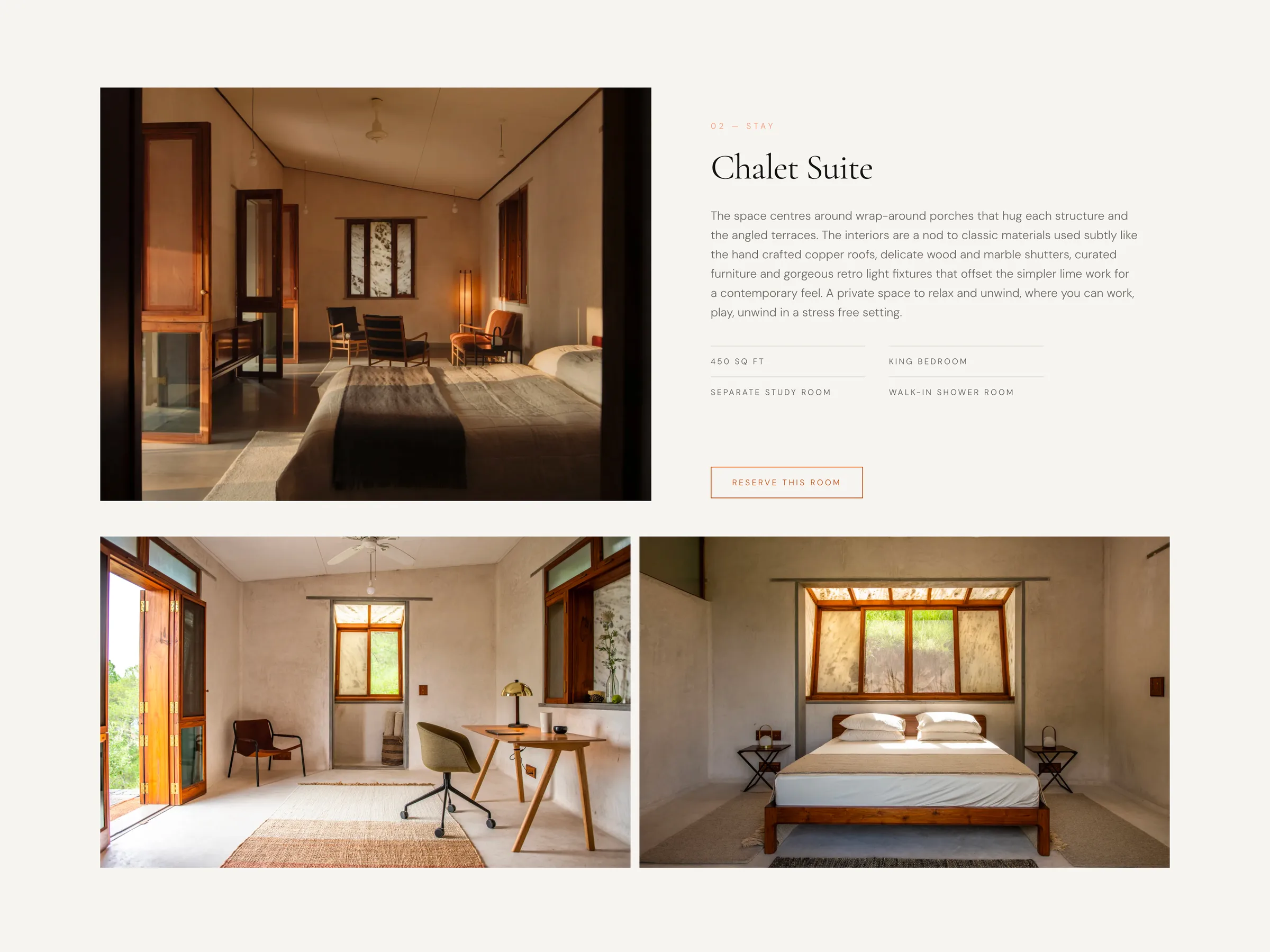
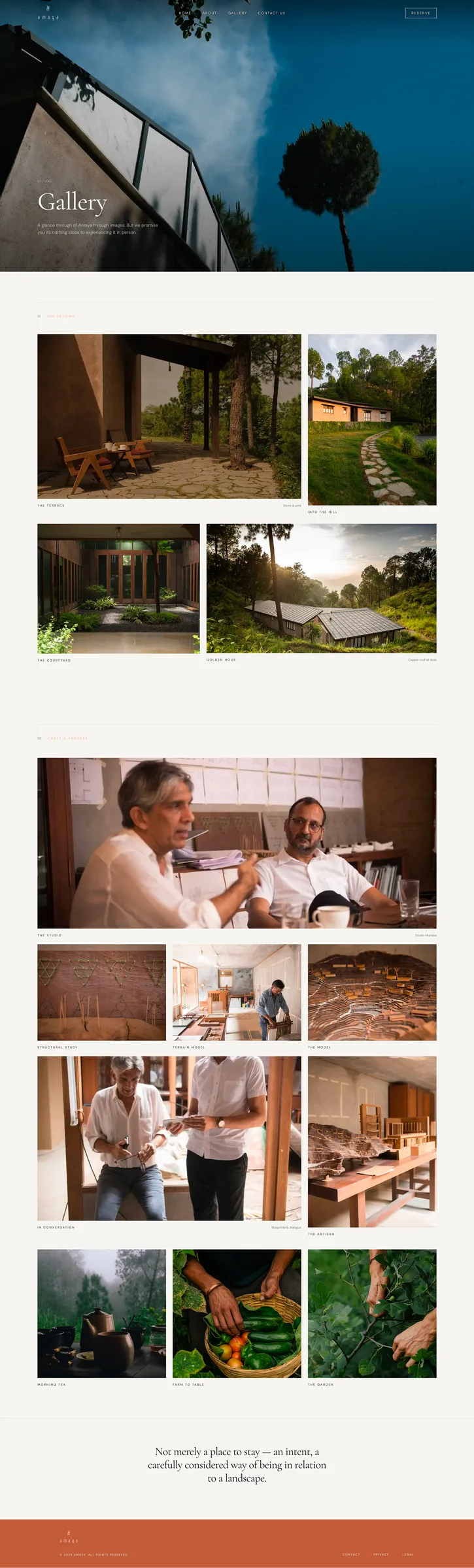
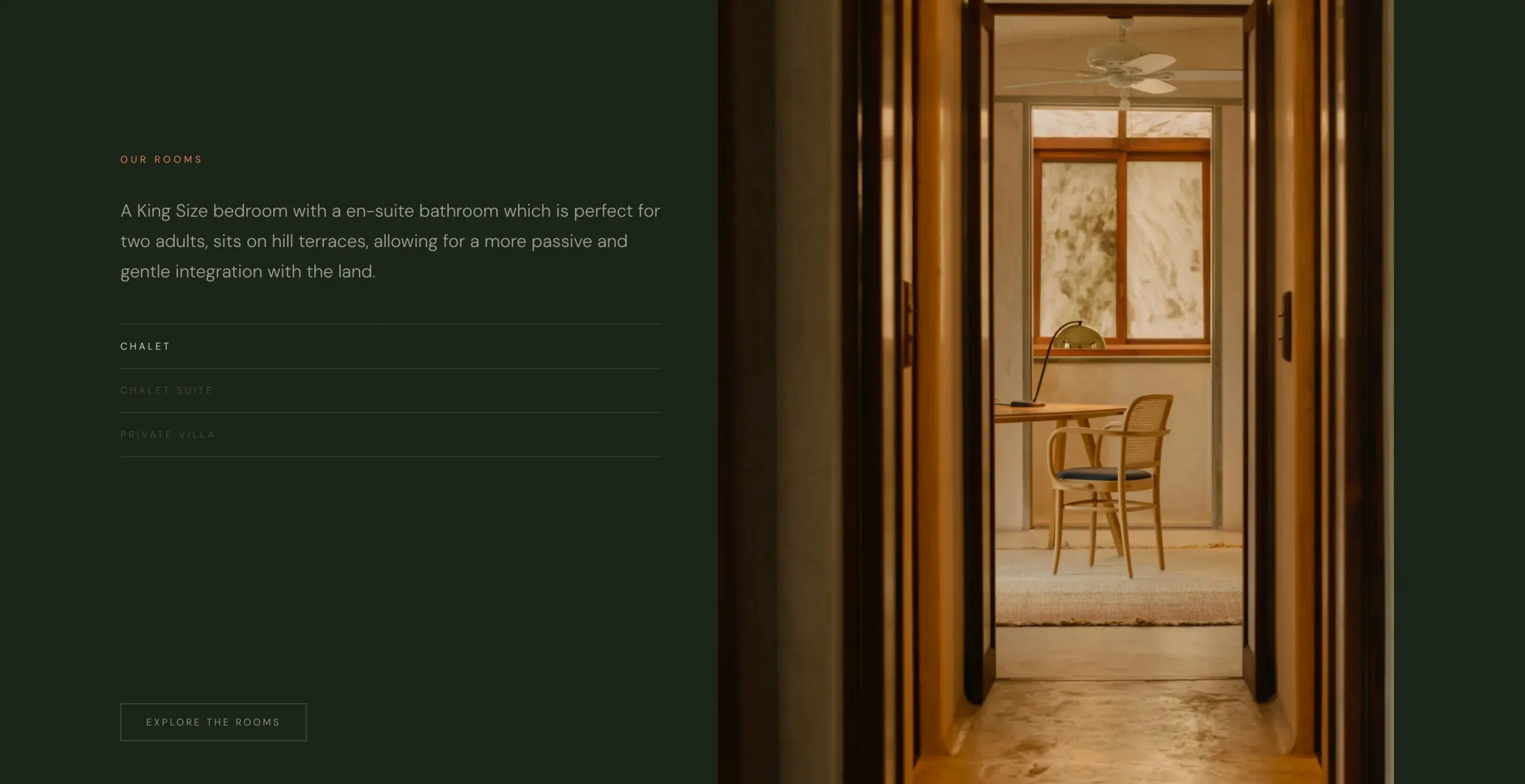
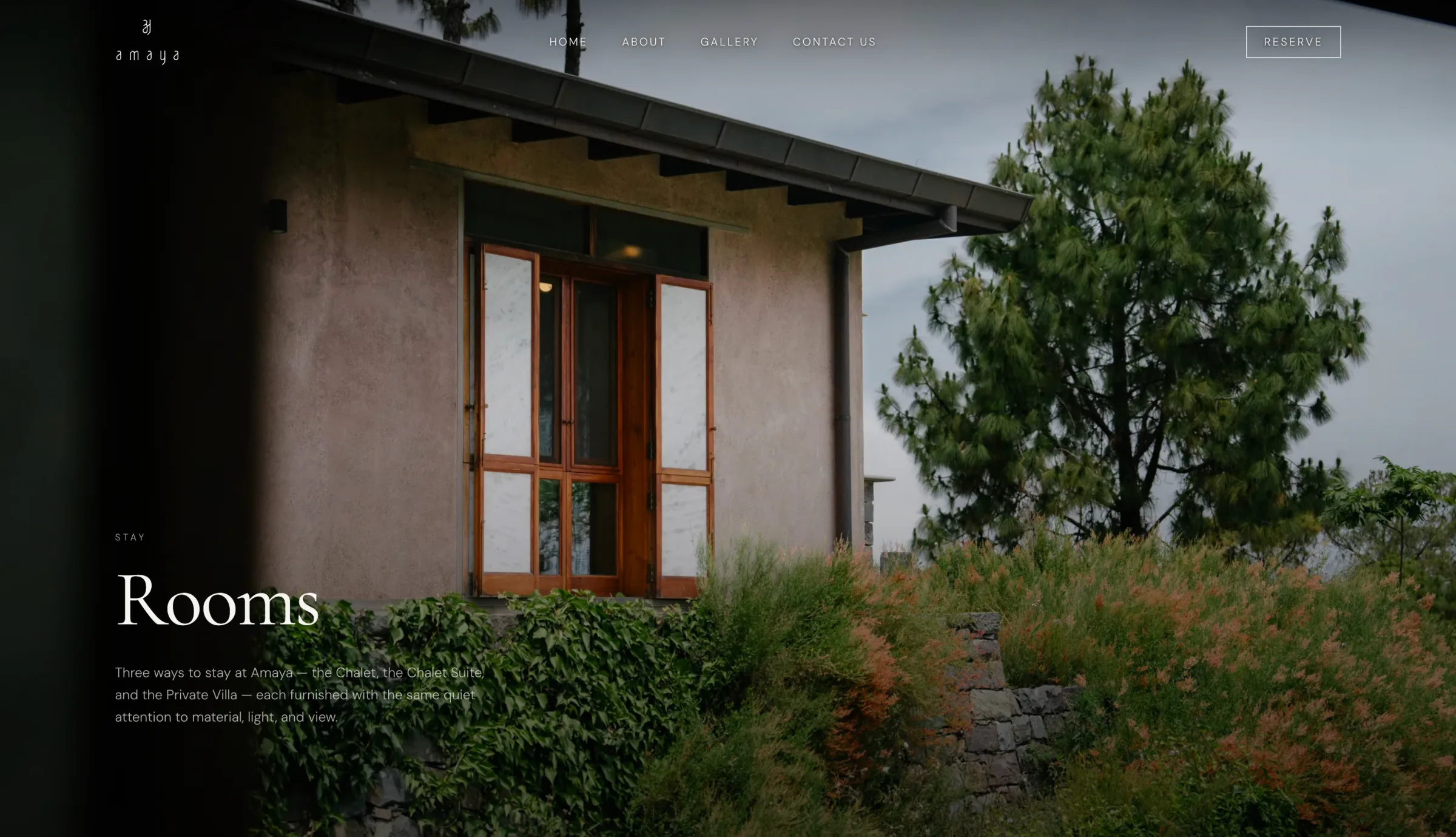
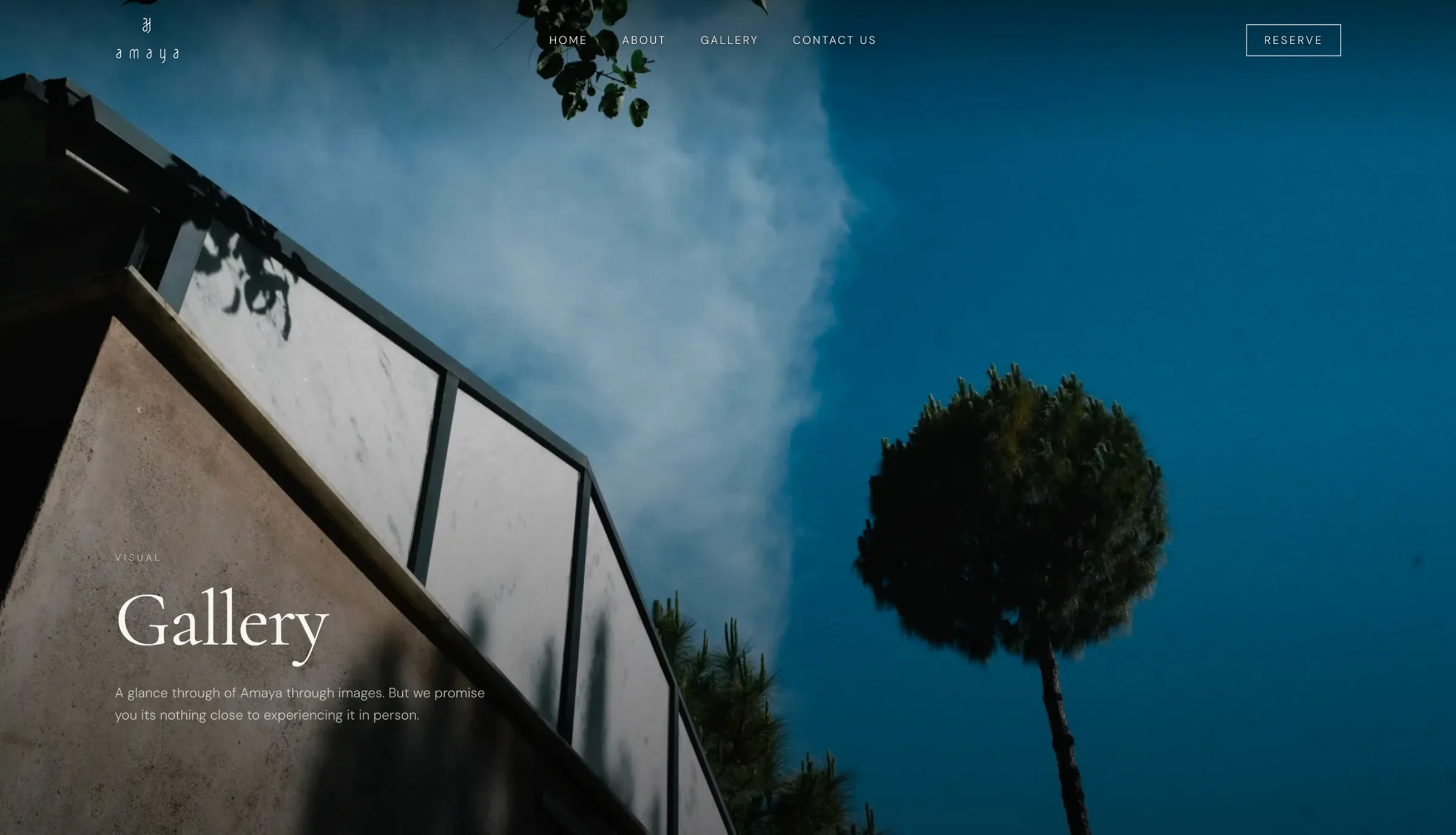
The site was built to introduce Amaya’s way of thinking before its amenities, using slower scroll pacing, editorial photography, and typography that breaks and resettles between sections to mirror the rhythm of the land. Villas, food, the library, and the pool each got room to be understood on their own terms, while booking stayed simple and close at hand throughout.